
Evidence bridge
Does this claim survive a Torah-first reading: Psalm 4 — לַמְנַצֵּחַ בִּנְגִינוֹת מִזְמוֹר לְדָוִד?
The target state is evidentiary clarity: a fair Christian formulation, a controlled reading of “Psalm 4 — לַמְנַצֵּחַ בִּנְגִינוֹת מִזְמוֹר לְדָוִד”, an explicit concession, and a narrow verdict.
What this article established
Psalm 4 identifies itself as a Davidic psalm for musical performance and moves from prayer, to rebuke, to moral instruction, to secure rest. Its own structure controls its meaning. Later Christian application may be devotional or typological, but the psalm itself does not identify Jesus or create a new doctrine.
- Verified: the superscription presents Psalm 4 as a Davidic psalm for musical performance.
- Verified: the psalm moves through prayer, rebuke, ethical instruction, sacrifice, trust, and secure sleep.
- Verified: “the light of Your face” belongs to standard Tanakh language for divine favor and does not by itself imply incarnation.
- Possible: Christians may apply Davidic trust and suffering typologically to Jesus as a later devotional reading.
- Unsupported: the claim that Psalm 4, in its own Hebrew voice and structure, predicts Jesus or requires a Christological reading.
- What happens after “Does this claim survive a Torah-first reading: Psalm 4 — לַמְנַצֵּחַ בִּנְגִינוֹת מִזְמוֹר לְדָוִד?” is resolved and the review widens to All 150 Psalms read as covenant speech with structural, contextual, and Hebrew precision, with the Psalm in full, its superscription and literary voice where relevant, parallelism kept in view?
The question that still remains
What happens after “Does this claim survive a Torah-first reading: Psalm 4 — לַמְנַצֵּחַ בִּנְגִינוֹת מִזְמוֹר לְדָוִד?” is resolved and the review widens to All 150 Psalms read as covenant speech with structural, contextual, and Hebrew precision, with the Psalm in full, its superscription and literary voice where relevant, parallelism kept in view?
Why this book is the next step
Separate what the passage says, what it permits, and what a later reader adds. relevant / survive / Torah-first / reading: the problem has moved from one Psalm 4 ruling into the exact scope of TEHILLIM In Its Own Voice: Reading All 150 Psalms As Covenant Speech. Possibility is not promoted to proof by repetition. Map the speaker shift before doctrine is inferred. Challenge the literary genre against Torah’s stated category; keep the concrete markers survive, Torah-first, reading, Psalm, 4 visible.
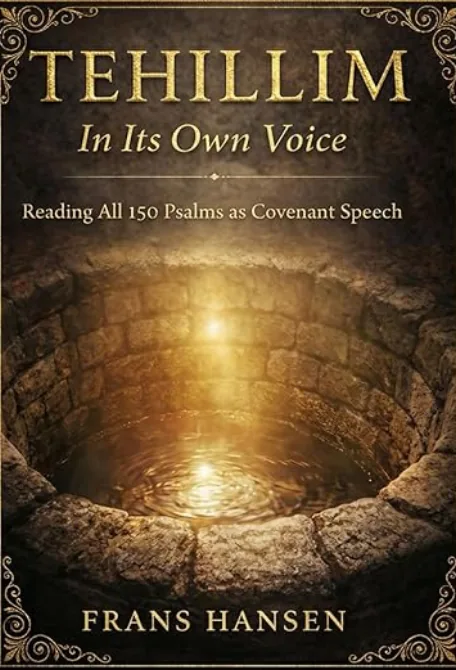
After the wider source map for “Does this claim survive a Torah-first reading: Psalm 4 — לַמְנַצֵּחַ בִּנְגִינוֹת מִזְמוֹר לְדָוִד?”, the book fit becomes testable: TEHILLIM In Its Own Voice: Reading All 150 Psalms As Covenant Speech is the book-length investigation for All 150 Psalms read as covenant speech with structural, contextual, and Hebrew precision. Open the book page only if that is the field you still need examined.