
Evidence bridge
Does this claim survive a Torah-first reading: Psalm 6 — לַמְנַצֵּחַ בִּנְגִינוֹת עַל־הַשְּׁמִינִית מִזְמוֹר לְדָוִד?
The desired certainty is not absolute certainty about every doctrine. It is enough precision to say why “Psalm 6 — לַמְנַצֵּחַ בִּנְגִינוֹת עַל־הַשְּׁמִינִית מִזְמוֹר לְדָוִד” is Verified, Possible, Disputed, Unsupported, or Contradicted by the controlling source.
What this article established
Psalm 6 presents a first-person Davidic lament under divine discipline. Its movement is from plea, to physical and emotional anguish, to confidence that Hashem has heard the prayer. The exact historical crisis is uncertain. What is not uncertain is the speaker, the addressee, and the fact that covenant relationship remains intact.
- Verified: Psalm 6 presents itself as a Davidic lament within a musical-liturgical frame.
- Verified: its historical crisis is uncertain, while its first-person voice and direct address to Hashem are clear.
- Verified: the psalm moves from anguish and discipline to confidence that Hashem has heard and accepted the prayer.
- Possible: later Christian readers may apply the Davidic lament typologically or devotionally to Jesus.
- Unsupported: the claim that Psalm 6, in its own voice and structure, predicts Jesus or teaches Christian doctrines of salvific despair.
- Beyond “Does this claim survive a Torah-first reading: Psalm 6 — לַמְנַצֵּחַ בִּנְגִינוֹת עַל־הַשְּׁמִינִית מִזְמוֹר לְדָוִד?”, can the larger claim be established across All 150 Psalms read as covenant speech with structural, contextual, and Hebrew precision while the Psalm in full, its superscription and literary voice where relevant, parallelism remains controlling?
The question that still remains
Beyond “Does this claim survive a Torah-first reading: Psalm 6 — לַמְנַצֵּחַ בִּנְגִינוֹת עַל־הַשְּׁמִינִית מִזְמוֹר לְדָוִד?”, can the larger claim be established across All 150 Psalms read as covenant speech with structural, contextual, and Hebrew precision while the Psalm in full, its superscription and literary voice where relevant, parallelism remains controlling?
Why this book is the next step
Locate the precise burden shift before allowing the argument to widen. readings / Psalms / full / superscription: the problem has moved from one Psalm 6 ruling into the exact scope of TEHILLIM In Its Own Voice: Reading All 150 Psalms As Covenant Speech. Possibility is not promoted to proof by repetition. Locate the burden shift before a second text is imported.
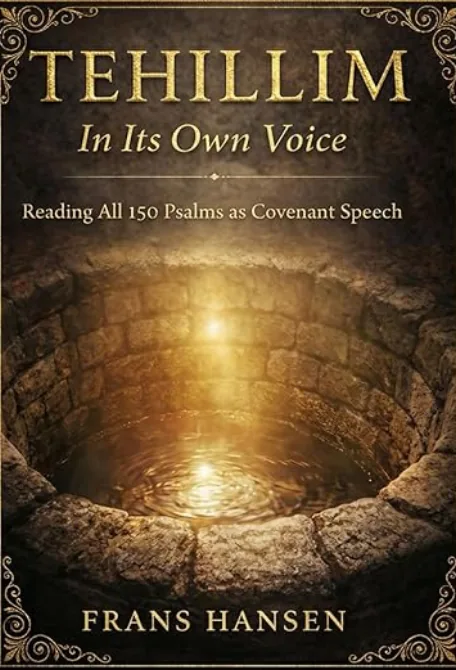
If the wider question after “Does this claim survive a Torah-first reading: Psalm 6 — לַמְנַצֵּחַ בִּנְגִינוֹת עַל־הַשְּׁמִינִית מִזְמוֹר לְדָוִד?” is genuinely Beyond “Does this claim survive a Torah-first reading: Psalm 6 — לַמְנַצֵּחַ בִּנְגִינוֹת עַל־הַשְּׁמִינִית מִזְמוֹר לְדָוִד?”, can the larger claim be established across All 150 Psalms read as covenant speech with structural, contextual, and Hebrew precision while the Psalm in full, its superscription and literary voice where relevant, parallelism remains controlling?, the next destination is TEHILLIM In Its Own Voice: Reading All 150 Psalms As Covenant Speech, because its scope is All 150 Psalms read as covenant speech with structural, contextual, and Hebrew precision.