
Evidence bridge
Does this claim survive a Torah-first reading: The Gospel of John, followed by Revelation are the most abused books in the Bible used by Christians?
The goal is to know exactly where the evidence ends at “The Gospel of John, followed by Revelation are the most abused books in the Bible used by Christians”, so later theology cannot borrow certainty from a source that never supplied it.
What this article established
John and Revelation are undeniably high-impact sources for later Christian doctrine, but “most abused” is a measurable superlative the preserved source does not establish. The better audit is passage by passage: what does the Hebrew Bible actually authorize?
- Verified: John and Revelation are heavily used in Christian doctrinal argument and repeatedly reuse Tanakh language and imagery.
- Verified: John 1 goes beyond the ordinary Tanakh category of God’s “word” by presenting the Logos as a personal subject who becomes flesh.
- Possible: Christians may defend that move as authorized later revelation.
- Unsupported: the archive’s quantitative superlative that John and Revelation are the “most abused” biblical books, because no comparative measurement is supplied.
- Beyond “Does this claim survive a Torah-first reading: The Gospel of John, followed by Revelation are the most abused books in the Bible used by Christians?”, can the larger claim be established across John's theological claims tested under context-first Tanakh reading while the Hebrew source behind John’s claim, Torah’s categories for God, agency, worship remains controlling?
The question that still remains
Beyond “Does this claim survive a Torah-first reading: The Gospel of John, followed by Revelation are the most abused books in the Bible used by Christians?”, can the larger claim be established across John's theological claims tested under context-first Tanakh reading while the Hebrew source behind John’s claim, Torah’s categories for God, agency, worship remains controlling?
Why this book is the next step
The fit is narrower than 'same biblical book' or 'same doctrine.' The unresolved test is Beyond “Does this claim survive a Torah-first reading: The Gospel of John, followed by Revelation are the most abused books in the Bible used by Christians?”, can the larger claim be established across John's theological claims tested under context-first Tanakh reading while the Hebrew source behind John’s claim, Torah’s categories for God, agency, worship remains controlling?, and THE GOSPEL OF JOHN VS. THE HEBREW BIBLE: How the New Testament Rewrites the Tanakh - A Line-by-line Investigation supplies the broader treatment of John's theological claims tested under context-first Tanakh reading needed to run it. The book earns the bridge by expanding the evidence set while keeping the same burden of proof used at Gospel / John / followed / Revelation. The worked hinge that makes this assignment specific is Gospel / John / followed / Revelation / most.
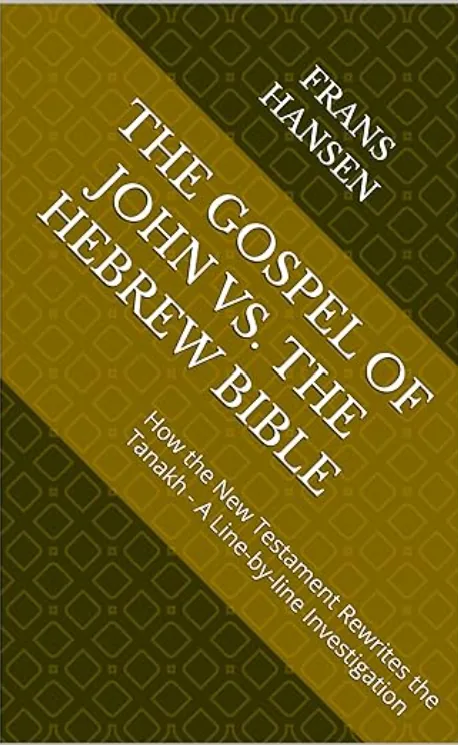
If the wider question after “Does this claim survive a Torah-first reading: The Gospel of John, followed by Revelation are the most abused books in the Bible used by Christians?” is genuinely Beyond “Does this claim survive a Torah-first reading: The Gospel of John, followed by Revelation are the most abused books in the Bible used by Christians?”, can the larger claim be established across John's theological claims tested under context-first Tanakh reading while the Hebrew source behind John’s claim, Torah’s categories for God, agency, worship remains controlling?, the next destination is THE GOSPEL OF JOHN VS. THE HEBREW BIBLE: How the New Testament Rewrites the Tanakh - A Line-by-line Investigation, because its scope is John's theological claims tested under context-first Tanakh reading.