
Evidence bridge
But Sin Must Be Dealt With First” That sounds powerful—until you ask a simple question: Dealt with how?
The target state is evidentiary clarity: a fair Christian formulation, a controlled reading of “But Sin Must Be Dealt With First” That sounds powerful—until you ask a simple question: Dealt with how?”, an explicit concession, and a narrow verdict.
What this article established
Christianity can argue that one messiah fulfills different prophetic themes in two stages. What Tanakh does not do is state that the Messiah must first arrive to die for sin, depart, and return later to complete the public messianic promises. That two-advent sequence is a later theological synthesis, not an explicit prophetic timetable.
- Verified: Tanakh connects the messianic future with identifiable outcomes involving Davidic rule, Israel and the nations.
- Verified: Tanakh contains extensive teachings about sin, repentance, forgiveness and atonement without stating that these mechanisms must be replaced by a first messianic advent.
- Possible within Christian theology: suffering and glory passages can be synthesized into a two-advent Christology after the New Testament is accepted.
- Disputed: whether particular passages such as Isaiah 53 are messianic in the Christian sense.
- Unsupported by the controlling prophetic texts: the claim that Tanakh explicitly teaches “first coming to deal with sin, second coming to finish redemption.”
The question that still remains
When “But Sin Must Be Dealt With First” That sounds powerful—until you ask a simple question: Dealt with how?” is no longer left vague, can the surrounding argument still be sustained across Christianity tested against Moses and the collective prophetic witness, including deferred messianic claims from the prophetic descriptions of the messianic king and era, the claimed evidence, and whether the stated outcomes occurred?
Why this book is the next step
Another book might discuss Christianity generally, but The Warnings of the Prophets: Why Christianity Fails the Collective Prophetic Witness of Israel follows the exact evidence family left open here—Christianity tested against Moses and the collective prophetic witness, including deferred messianic claims—so the transition does not manufacture a new problem. That distinction matters here because the public criteria for the Davidic king and messianic age requires more than another isolated response to But / Sin / Must / Dealt. The worked hinge that makes this assignment specific is But / Sin / Must / Dealt / First.
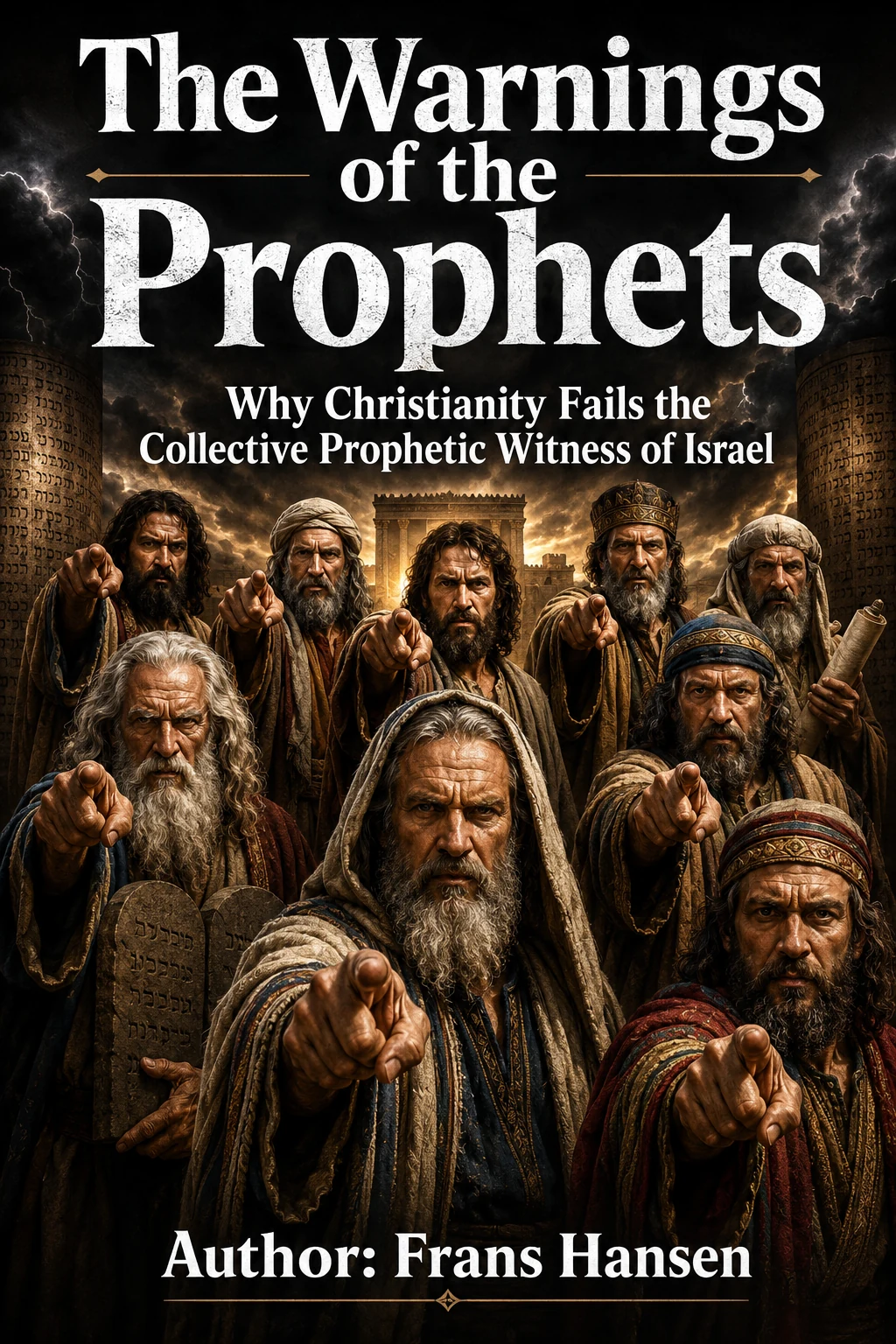
From the wider question raised by “But Sin Must Be Dealt With First” That sounds powerful—until you ask a simple question: Dealt with how?”, the book choice becomes specific: The Warnings of the Prophets: Why Christianity Fails the Collective Prophetic Witness of Israel carries the investigation into Christianity tested against Moses and the collective prophetic witness, including deferred messianic claims.