
Evidence bridge
Does the claimant meet the messianic standard, or does the standard get changed afterward?
The reader wants to be able to explain “Does the claimant meet the messianic standard, or does the standard get changed afterward?” from the controlling Tanakh passages, the exact Christian premise, covenant context, and the burden of proof for any added doctrine without relying on denominational authority or counter-missionary slogans.
What this article established
Tanakh’s major messianic and restoration texts describe public outcomes: Davidic rule, justice, Israel’s restoration, peace and knowledge of Hashem. Christianity answers the unmet conditions with a two-coming framework. That may preserve future hope, but it cannot count as fulfilled evidence unless the framework itself is textually authorized.
- Verified: major messianic/restoration texts contain public royal and national outcomes.
- Possible Christian theology: those outcomes are divided between first and second comings.
- Not yet fulfilled evidence: conditions explicitly deferred to the future.
- Required: the two-stage framework must itself be established rather than assumed because the first-stage claimant left conditions unmet.
- Methodologically invalid: changing the standard only after the claimant fails the original reading.
The question that still remains
If “Does the claimant meet the messianic standard, or does the standard get changed afterward?” is settled from the sources, what survives when the inquiry expands to Christianity tested against Moses and the collective prophetic witness, including deferred messianic claims under the controlling Tanakh passages, the exact Christian premise, covenant context?
Why this book is the next step
The Warnings of the Prophets: Why Christianity Fails the Collective Prophetic Witness of Israel is the narrowest catalogue match because its stated scope is Christianity tested against Moses and the collective prophetic witness, including deferred messianic claims; that directly answers the remaining problem after claimant, meet, messianic, standard, whereas a general counter-missionary title would broaden too far. The assignment would fail if the remaining question were different; its fit depends on the exact move from claimant / meet / messianic / standard into Christianity tested against Moses and the collective prophetic witness, including deferred messianic claims. The worked hinge that makes this assignment specific is claimant / meet / messianic / standard / get.
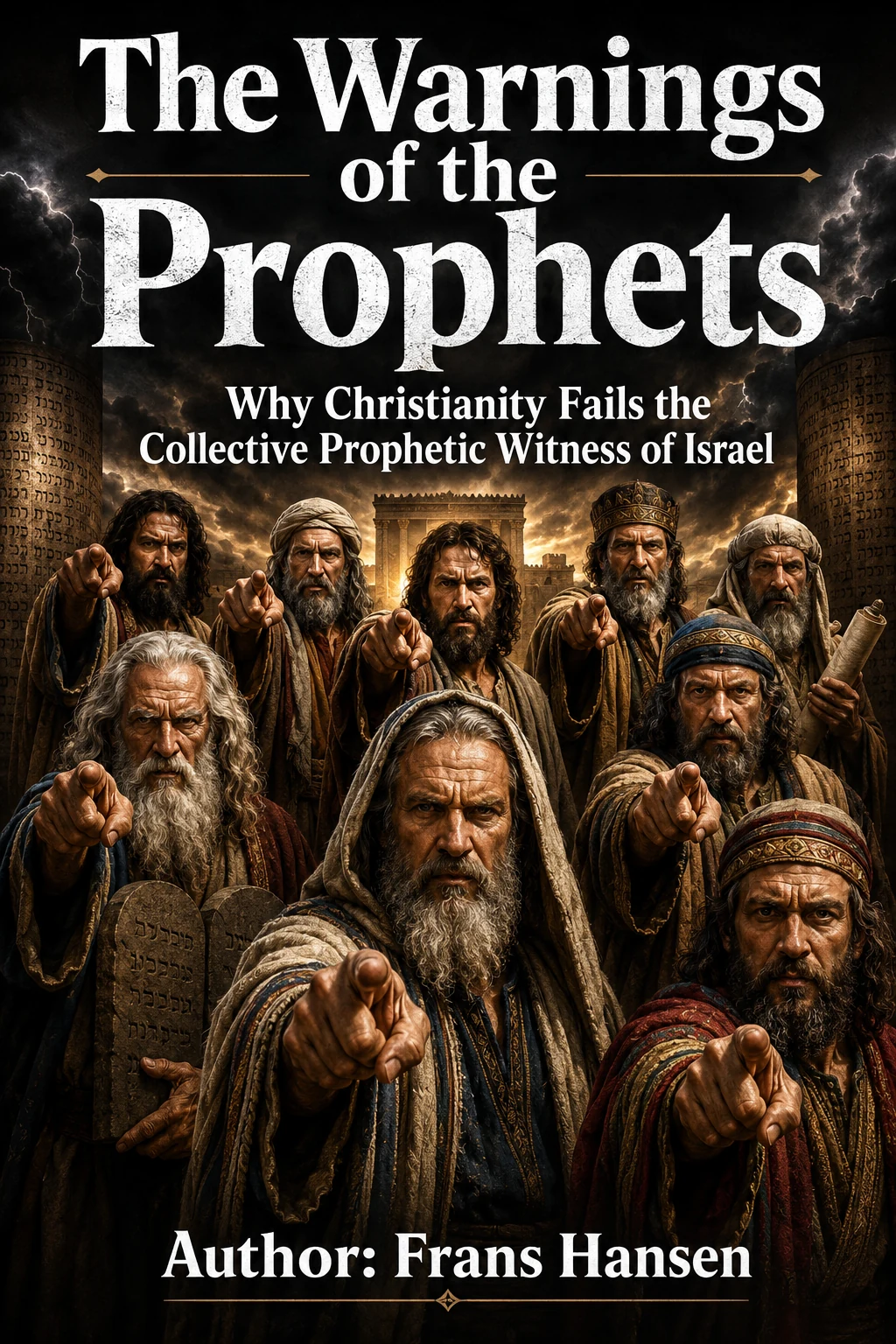
Only after the wider problem behind “Does the claimant meet the messianic standard, or does the standard get changed afterward?” is clear should the book enter. Here that book is The Warnings of the Prophets: Why Christianity Fails the Collective Prophetic Witness of Israel, built to examine Christianity tested against Moses and the collective prophetic witness, including deferred messianic claims.