
Evidence bridge
Does ‘the Messiah will finish it later’ make Christian messianic claims impossible to falsify?
The reader wants to be able to explain “Does ‘the Messiah will finish it later’ make Christian messianic claims impossible to falsify?” from Torah’s covenant duties, prophet/worship tests, the concrete practices a convert is asked to abandon, and the evidence missionaries present without relying on denominational authority or counter-missionary slogans.
What this article established
Deferred fulfillment is legitimate when a prophecy itself permits stages or future completion. The problem begins when every unmet messianic condition is automatically moved to a second coming without a textual marker or deadline, leaving no possible evidence that could count against the claim.
- Verified: many messianic conditions described by the Prophets are not presently realized.
- Possible Christian theology: those conditions await a second coming.
- Possible in principle: prophecy can unfold in stages.
- Required for a strong evidentiary claim: textual markers or an authorized framework showing why the claimant may be identified before the public outcomes occur.
- Methodologically weak: a system in which every unmet condition can be deferred forever with no possible disconfirming result.
The question that still remains
Beyond “Does ‘the Messiah will finish it later’ make Christian messianic claims impossible to falsify?”, can the larger claim be established across Christianity tested against Moses and the collective prophetic witness, including deferred messianic claims while Torah’s covenant duties, prophet/worship tests, the concrete practices a convert is asked to abandon remains controlling?
Why this book is the next step
The reason for this book is structural, not topical coincidence: Messiah, will, finish, make opens into Beyond “Does ‘the Messiah will finish it later’ make Christian messianic claims impossible to falsify?”, can the larger claim be established across Christianity tested against Moses and the collective prophetic witness, including deferred messianic claims while Torah’s covenant duties, prophet/worship tests, the concrete practices a convert is asked to abandon remains controlling? and the book is specifically organized around Christianity tested against Moses and the collective prophetic witness, including deferred messianic claims. The assignment would fail if the remaining question were different; its fit depends on the exact move from Messiah / will / finish / make into Christianity tested against Moses and the collective prophetic witness, including deferred messianic claims. The worked hinge that makes this assignment specific is Messiah / will / finish / make / messianic.
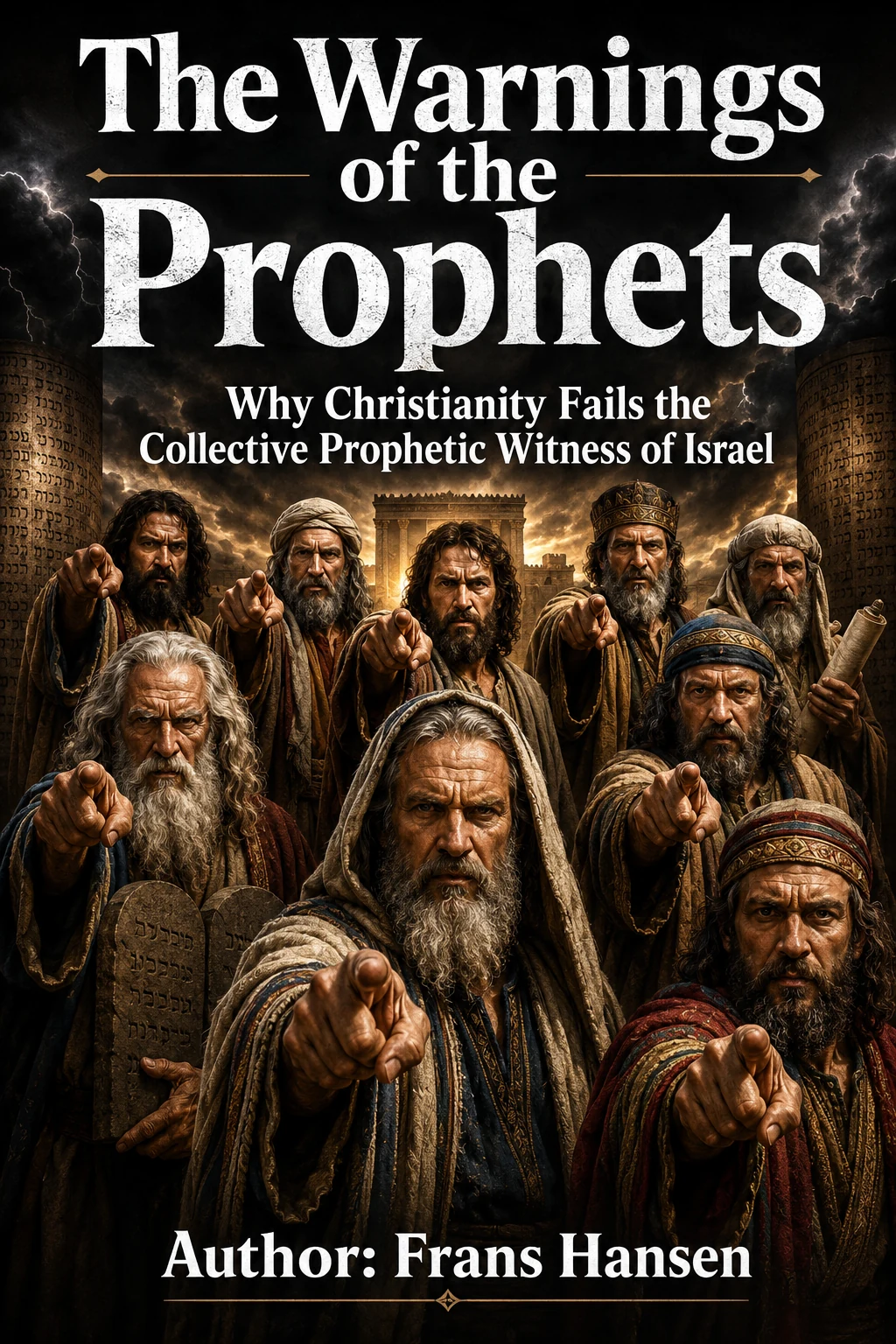
If the wider question after “Does ‘the Messiah will finish it later’ make Christian messianic claims impossible to falsify?” is genuinely Beyond “Does ‘the Messiah will finish it later’ make Christian messianic claims impossible to falsify?”, can the larger claim be established across Christianity tested against Moses and the collective prophetic witness, including deferred messianic claims while Torah’s covenant duties, prophet/worship tests, the concrete practices a convert is asked to abandon remains controlling?, the next destination is The Warnings of the Prophets: Why Christianity Fails the Collective Prophetic Witness of Israel, because its scope is Christianity tested against Moses and the collective prophetic witness, including deferred messianic claims.