
Evidence bridge
If the Messiah is a real king of a real Torah government, what happens to a theology whose Messiah never ruled that kingdom?
The goal is to know exactly where the evidence ends at “If the Messiah is a real king of a real Torah government, what happens to a theology whose Messiah never ruled that kingdom?”, so later theology cannot borrow certainty from a source that never supplied it.
What this article established
Tanakh’s future Davidic ruler is not merely a private spiritual savior; he governs, judges, restores Israel, and belongs to a public messianic age. Christianity can defer those outcomes to a second coming, but that deferment is an additional theological move, not the fulfillment itself.
- Verified: Tanakh describes the future Davidic ruler as an actual king whose reign has public national and international consequences.
- Verified: those full public conditions were not realized during Jesus’ lifetime.
- Possible within Christian theology: the outstanding conditions may be deferred to a second coming.
- Unsupported by the controlling prophetic passages themselves: treating the two-coming deferment as though it were explicitly stated in those texts.
- Therefore: the public messianic kingship test remains outstanding.
The question that still remains
After resolving “If the Messiah is a real king of a real Torah government, what happens to a theology whose Messiah never ruled that kingdom?”, does the wider case across Christianity tested against Moses and the collective prophetic witness, including deferred messianic claims survive the same test, especially Tanakh’s uses of mashiach/anointed for kings, priests, and other figures?
Why this book is the next step
The article's next legitimate scope matches this book's scope: Christianity tested against Moses and the collective prophetic witness, including deferred messianic claims. That makes The Warnings of the Prophets: Why Christianity Fails the Collective Prophetic Witness of Israel a continuation of the same inquiry rather than an unrelated sale. The match is therefore between unresolved scope and book scope, not between repeated keywords. The worked hinge that makes this assignment specific is Messiah / real / king / government / happens.
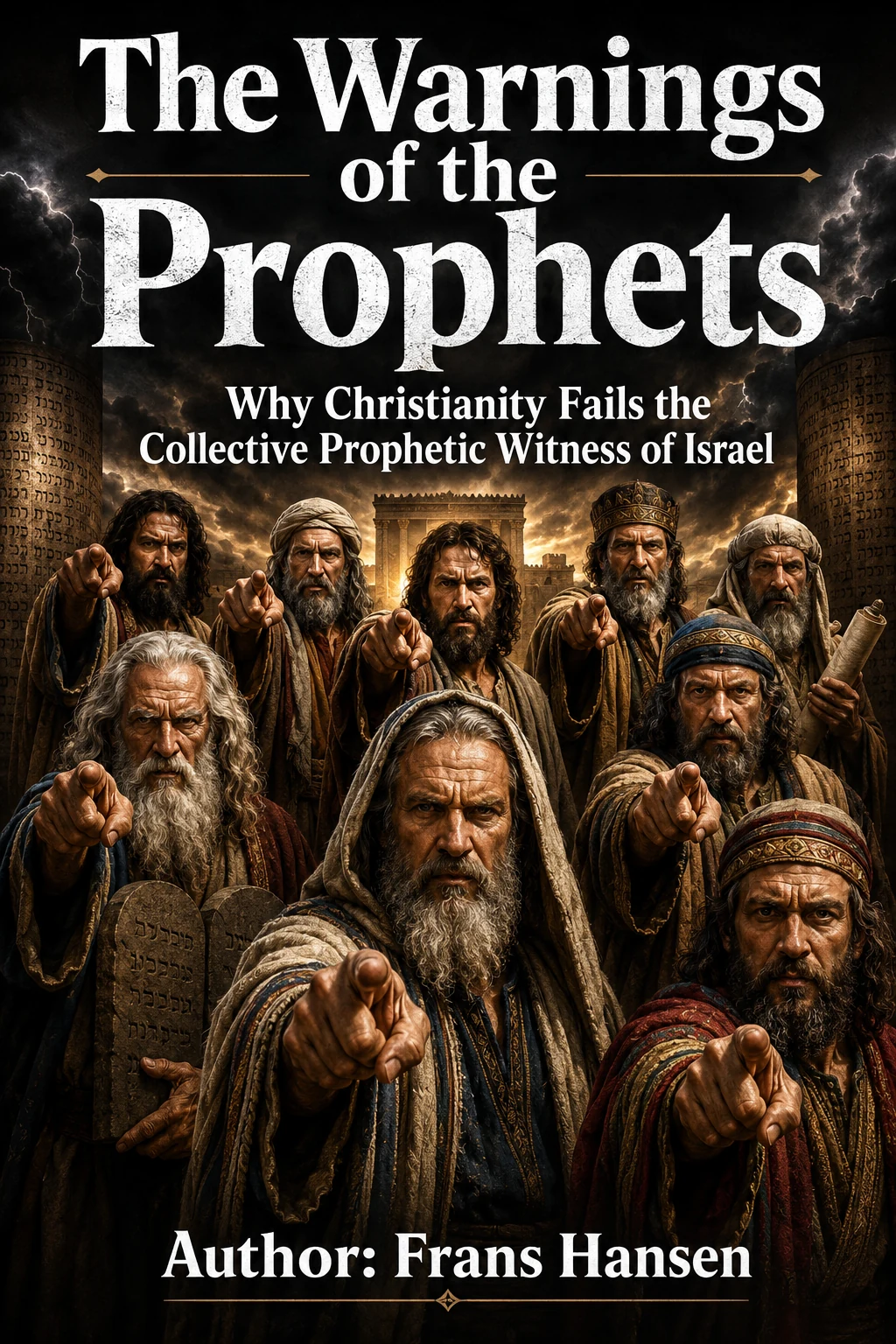
If the wider question after “If the Messiah is a real king of a real Torah government, what happens to a theology whose Messiah never ruled that kingdom?” is genuinely After resolving “If the Messiah is a real king of a real Torah government, what happens to a theology whose Messiah never ruled that kingdom?”, does the wider case across Christianity tested against Moses and the collective prophetic witness, including deferred messianic claims survive the same test, especially Tanakh’s uses of mashiach/anointed for kings, priests, and other figures?, the next destination is The Warnings of the Prophets: Why Christianity Fails the Collective Prophetic Witness of Israel, because its scope is Christianity tested against Moses and the collective prophetic witness, including deferred messianic claims.