
Evidence bridge
If the Messiah upholds Torah, why does Christianity teach people to move beyond it?
The reader wants to be able to explain “If the Messiah upholds Torah, why does Christianity teach people to move beyond it?” from Sinai’s public covenant, Torah’s non-addition/non-subtraction rules, prophet tests, and the later claim being proposed without relying on denominational authority or counter-missionary slogans.
What this article established
The prophets do not describe the messianic future as Israel graduating from Torah. They describe Torah going forth from Zion, God’s instruction written on Israel’s heart, and the restored Davidic ruler leading a people who keep God’s statutes.
- A Messiah who fulfills Israel’s prophets cannot be used as authority to demote the Torah those prophets preserve. Christian fulfillment theology must prove, not assume, that 'fulfill' authorizes a change of covenant status.
The question that still remains
After resolving “If the Messiah upholds Torah, why does Christianity teach people to move beyond it?”, does the wider case across Christianity tested against Moses and the collective prophetic witness, including deferred messianic claims survive the same test, especially Sinai’s public covenant, Torah’s non-addition/non-subtraction rules, prophet tests?
Why this book is the next step
The Warnings of the Prophets: Why Christianity Fails the Collective Prophetic Witness of Israel earns the slot because the reader's unresolved question moves from Messiah, upholds, why, teach to Christianity tested against Moses and the collective prophetic witness, including deferred messianic claims, precisely the domain this title was built to audit. That distinction matters here because Sinai's authority, permanence, and jurisdiction requires more than another isolated response to Messiah / upholds / why / teach. The worked hinge that makes this assignment specific is Messiah / upholds / why / teach / people.
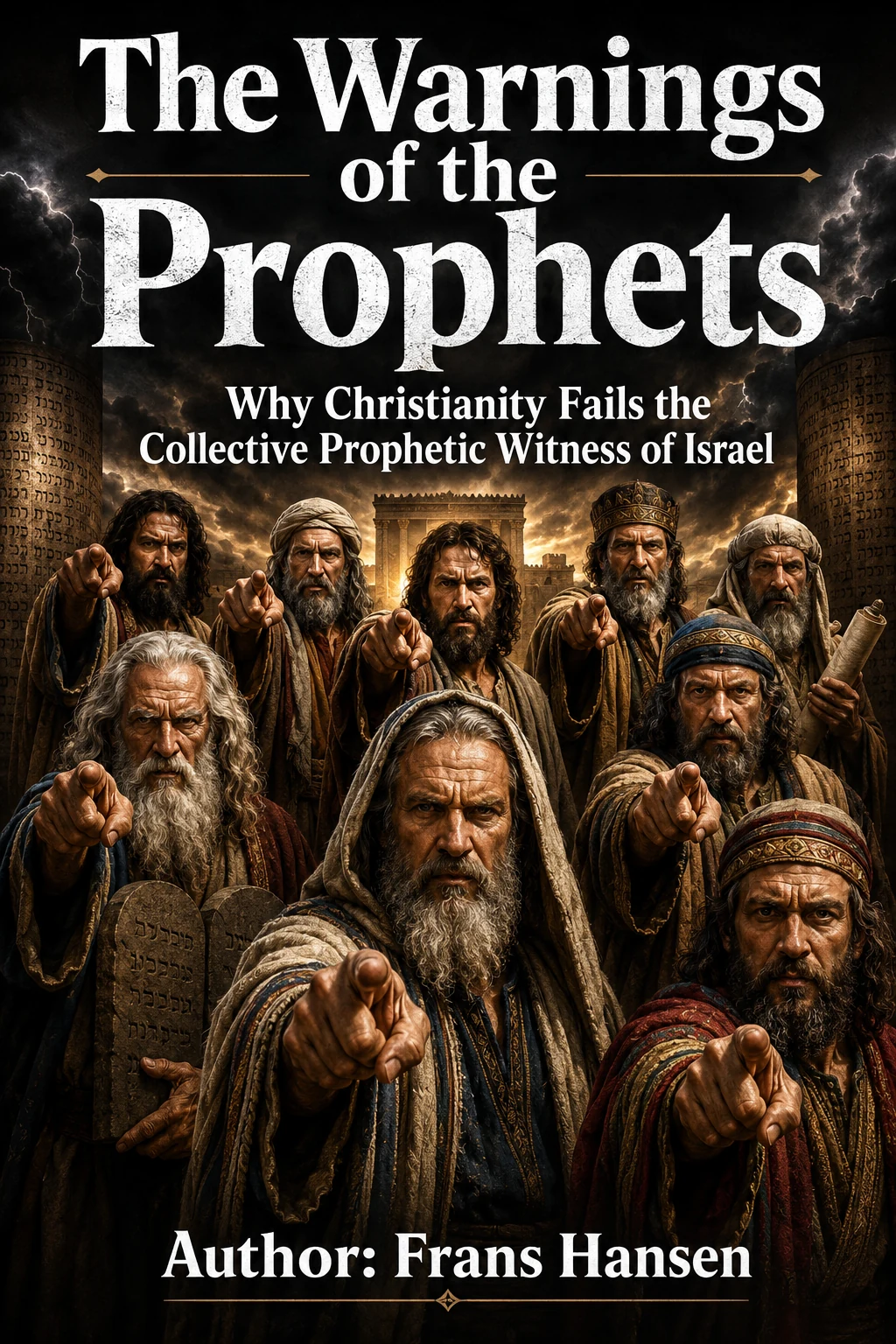
The landing page for “If the Messiah upholds Torah, why does Christianity teach people to move beyond it?” has done its job when the reader can see why The Warnings of the Prophets: Why Christianity Fails the Collective Prophetic Witness of Israel—not a generic anti-Christian title—continues this exact problem across Christianity tested against Moses and the collective prophetic witness, including deferred messianic claims.