
Evidence bridge
Who is Messiah and what will he be like?
The goal is to know exactly where the evidence ends at “Who is Messiah and what will he be like?”, so later theology cannot borrow certainty from a source that never supplied it.
What this article established
The Hebrew Bible does not give one compact “Messiah checklist,” but its major restoration prophecies converge on a human Davidic ruler: righteous rule, Israel’s restoration, security, knowledge of Hashem and a transformed world. Those outcomes are public, not private.
- Verified: Tanakh presents future Davidic royal hope.
- Verified: major prophetic descriptions make the ruler human, empowered by Hashem and tied to Israel’s restoration.
- Verified: central messianic outcomes are public and historical.
- Possible as Christian theology: a two-stage mission with unfulfilled conditions deferred to a second coming.
- Not established by the controlling prophetic texts themselves: identifying a claimant as the completed Messiah before the promised royal outcomes occur.
The question that still remains
After resolving “Who is Messiah and what will he be like?”, does the wider case across Christianity tested against Moses and the collective prophetic witness, including deferred messianic claims survive the same test, especially the controlling Tanakh passages, the exact Christian premise, covenant context?
Why this book is the next step
Hebrew-Bible / first / questioning / controlling: the problem has moved from one Christianity under Hebrew-Bible-first questioning ruling into the exact scope of The Warnings of the Prophets: Why Christianity Fails the Collective Prophetic Witness of Israel. The same rule must govern the next text as governed this one. Test the claim under the same rule that would be accepted if the conclusion were reversed. Isolate the burden shift before doctrine is inferred. Pinpoint the translation choice without treating homily as peshat; keep the concrete markers premise, covenant, context, burden, Messiah visible.
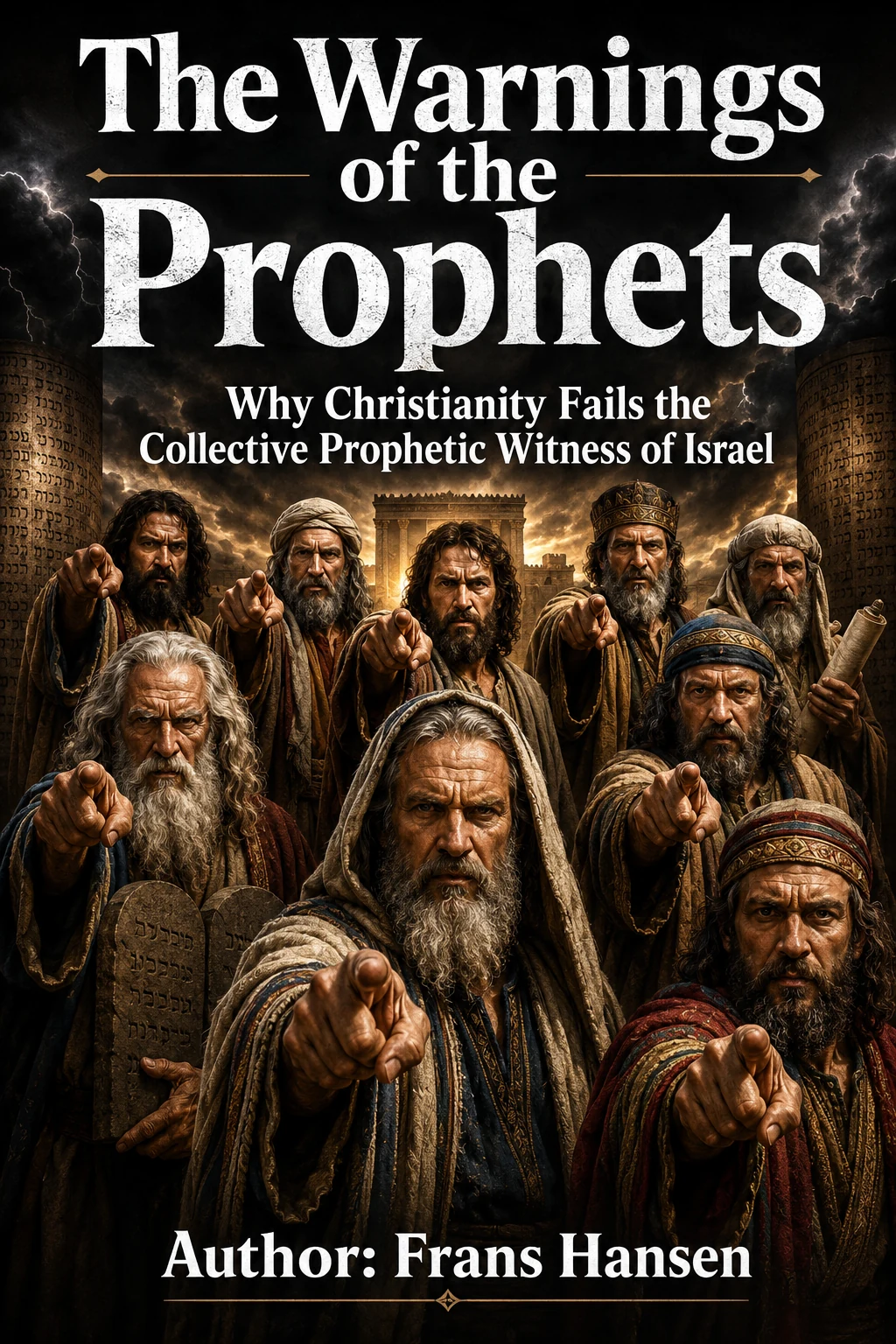
The landing page for “Who is Messiah and what will he be like?” has done its job when the reader can see why The Warnings of the Prophets: Why Christianity Fails the Collective Prophetic Witness of Israel—not a generic anti-Christian title—continues this exact problem across Christianity tested against Moses and the collective prophetic witness, including deferred messianic claims.